Circular Energy
What Happens After a Battery’s First Life?
Second-life batteries are not simply old batteries used again. They are an opportunity to recover value carefully, extend useful life and build practical clean-energy products.
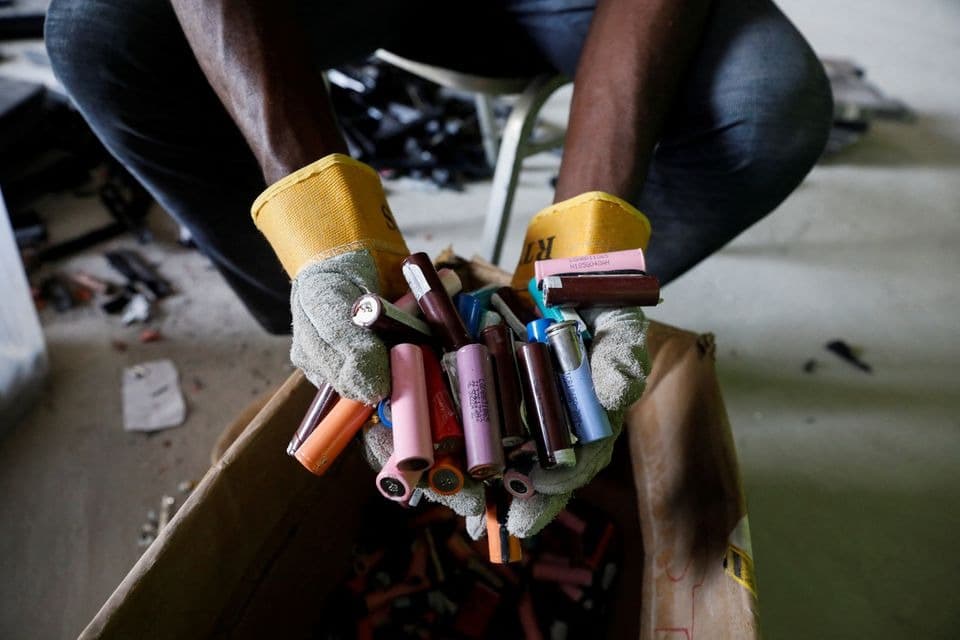
A battery’s first use does not always have to be its last useful chapter. Across homes, offices and businesses, electronic devices eventually reach the end of their original purpose. Yet some of the components inside them may still hold value when they are handled responsibly.
A circular question: what can still be useful?
At Quadloop, the starting point is simple: electronic waste should not be treated as invisible once a device is no longer wanted. The materials inside it carry energy, engineering and labour. A circular approach asks how those materials can be recovered, tested and used thoughtfully in new products.
This is especially important for lithium-ion battery cells. A cell that is no longer appropriate for its first application is not automatically suitable for another one. Responsible reuse depends on careful assessment, appropriate product design and a clear understanding of where a component can deliver value safely.
From recovery to practical energy access
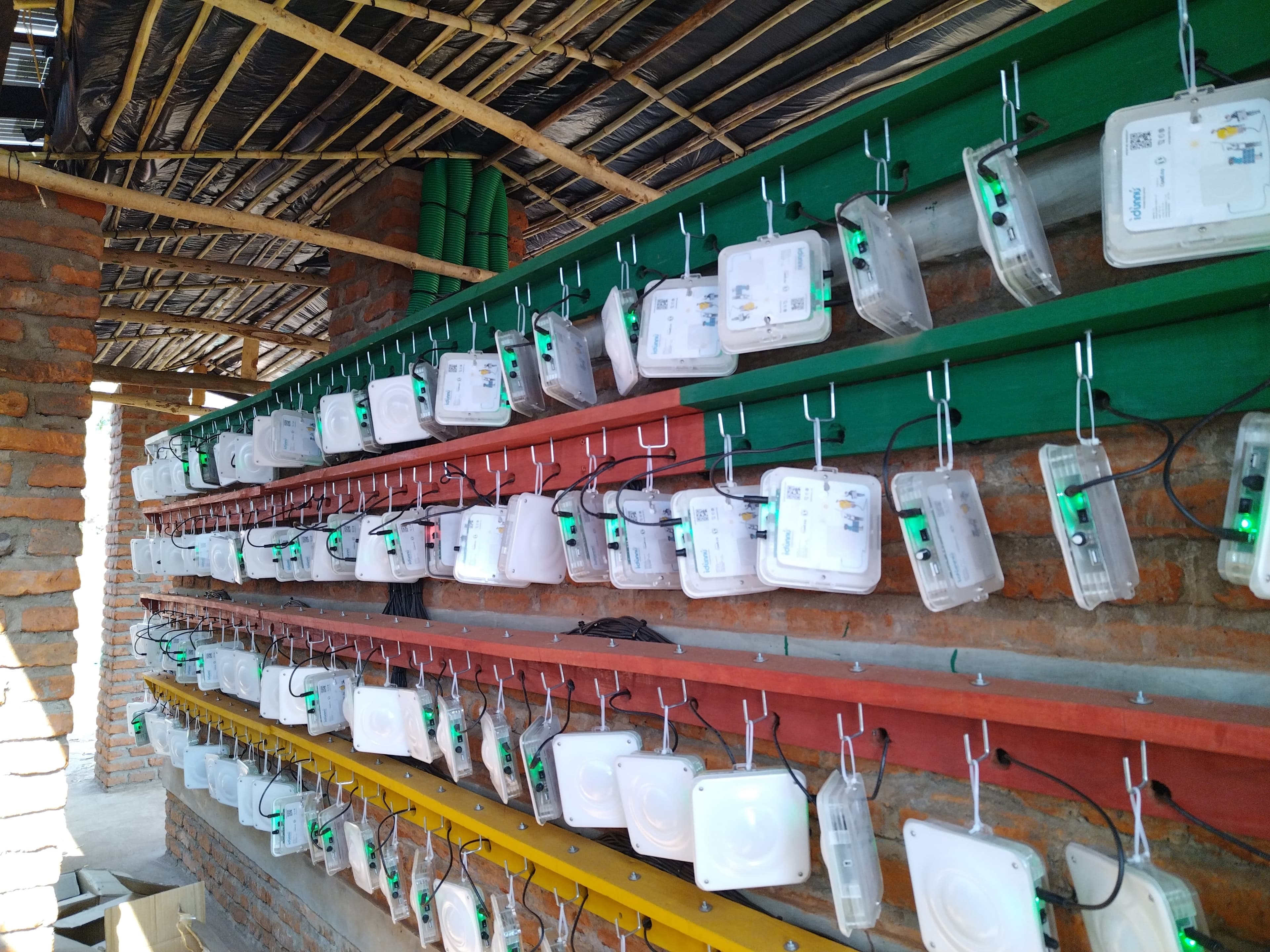
Quadloop develops solar lighting and home-energy solutions using second-life battery components recovered from e-waste streams. The aim is not to treat reuse as a shortcut. It is to design useful products around a more circular relationship with materials.
Recover useful materials from e-waste streams.
Assess components before they are considered for a new application.
Design products that make clean energy more accessible in everyday life.
Keep more value in use for longer while reducing pressure on virgin resources.
Why the idea matters
The circular economy becomes meaningful when it connects environmental responsibility with real needs. For a household, a trader or a community, dependable lighting can support work, safety and connection after daylight hours. For the wider system, every carefully extended component life is a chance to reduce the demand for new extraction and keep materials out of landfill for longer.
Quadloop’s mission is to turn this connection into tangible products. Our IDùnnú Solar Lantern is a compact solar lamp built with second-life battery components recovered from e-waste streams—one example of how a discarded resource can become part of a cleaner energy future.
Second-life energy is not about celebrating waste. It is about respecting materials, applying care to how they are used, and building better options for the future.
Share this article